What Is SEO Complete Guide to Search Engine Optimization (2026)
Learn what is SEO and how it drives free traffic, boosts rankings, and grows your business. Simple, proven strategies to help you rank higher on Google fast.

What Is SEO?
SEO (search engine optimization) improves a website so it can rank higher on search engines like Google and Bing. It focuses on creating high quality content, refining structure, and increasing visibility so users can easily find useful information, products, or services. Whether you manage a blog, online store, or local business site, you use SEO to help people discover your content through organic search results instead of depending only on ads.
You improve results when you understand user search intent and place the right keywords naturally within your content. When your content quality matches what users expect, your pages start to appear more often in search results pages like SERPs. This approach increases organic traffic, improves click through rate (CTR), and grows website traffic with more relevant visitors. You do not just chase rankings; you attract the right people at the right time.
You strengthen SEO performance by improving technical performance, building backlinks, and making your site easy to crawl and index. You follow best practices and avoid risky shortcuts like black hat tactics to build long-term credibility. With consistent effort, you achieve better rankings, increase brand awareness, and generate more leads and sales.
How Search Engines Work (Crawling, Indexing, Ranking Explained)
Crawling: How Search Engines Discover Pages
The first step in SEO is crawling, where search engines send out web crawlers, also known as robots, spiders, or Googlebots. These automated bots scan websites and follow links from page to page, discovering new content and updated content across the web. Their main purpose is to find new pages, record useful information, and periodically check previously visited pages to see if anything has changed or been updated.
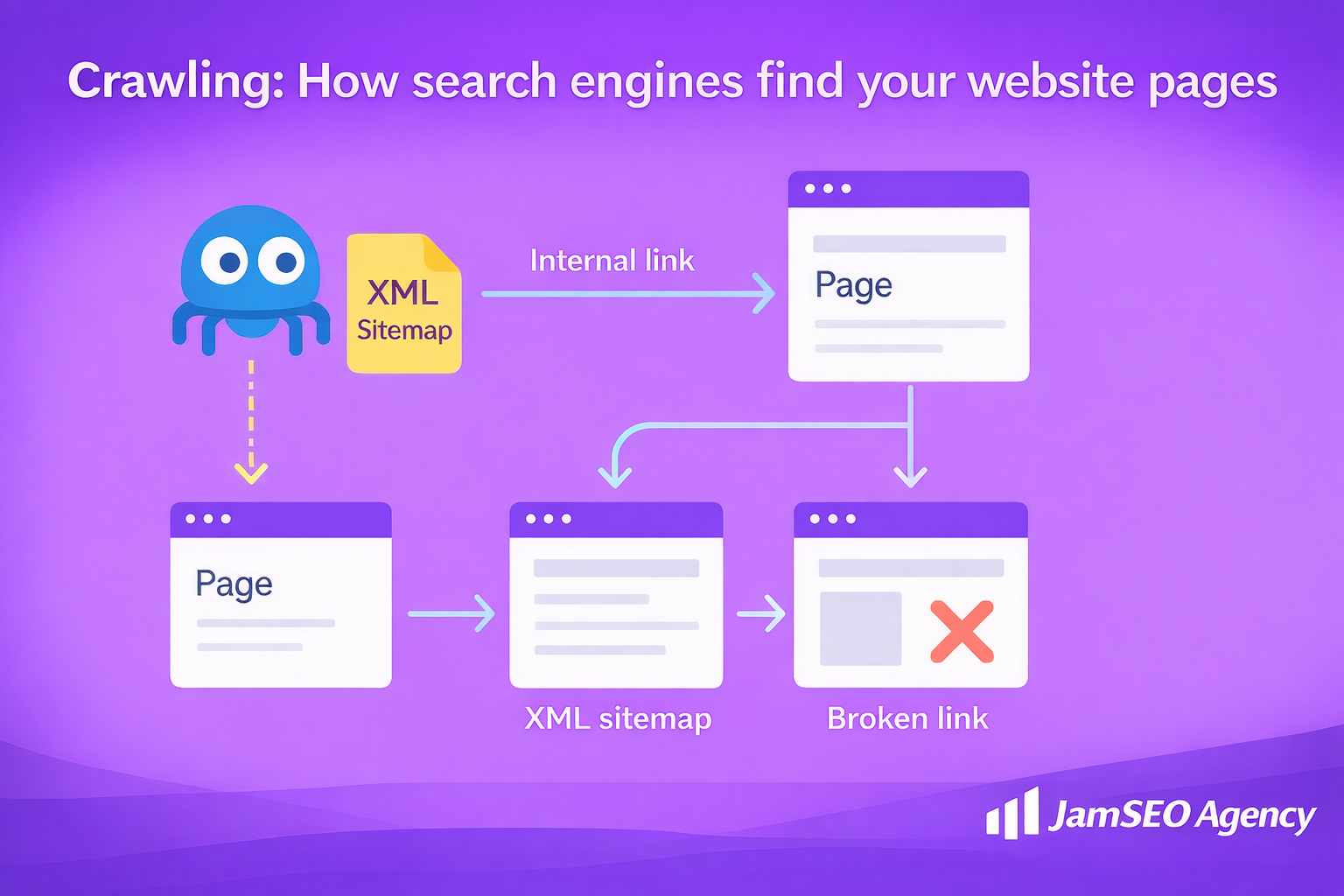
From practical experience, I’ve seen that when your site structure is clear and your content is regularly refreshed, search engine crawlers can effectively crawl your site. They keep moving, following connections, and discover new web pages that exist through paths like a blog linked to a homepage. When a search engine crawls your homepage, it will look for another link and often follow it to a new blog post or deeper web pages.
To ensure better crawling, you should maintain an organized site structure with proper internal linking and provide an XML sitemap to guide search bots. You should also regularly update content to signal freshness, avoid broken links, and fix crawl errors using tools like Google Search Console (opens in new tab). Even a simple illustration of how bots move across pages shows that better structure leads to faster discovery and more complete indexing.
Rendering: How Search Engines Process Code
After crawling, search engines render pages by processing HTML, JavaScript, and CSS to understand how content is displayed to users. I’ve seen many sites struggle here because even if content exists, it doesn’t always load correctly or show important signals. Systems like the Google Pipeline check whether critical elements, important content, and links are visible in the rendered HTML or if they are dependent on unsupported JavaScript or blocked JavaScript.
To ensure your pages render correctly, you must avoid hiding anything important that should be indexed behind user interactions like clicks, hovers, or form submissions. Always make sure your CSS files and JavaScript files remain accessible to crawlers and not blocked by robots.txt. In my work, I’ve noticed that using server-side rendering or dynamic rendering works much better for JavaScript-heavy frameworks, especially when search engines struggle to fully process scripts.
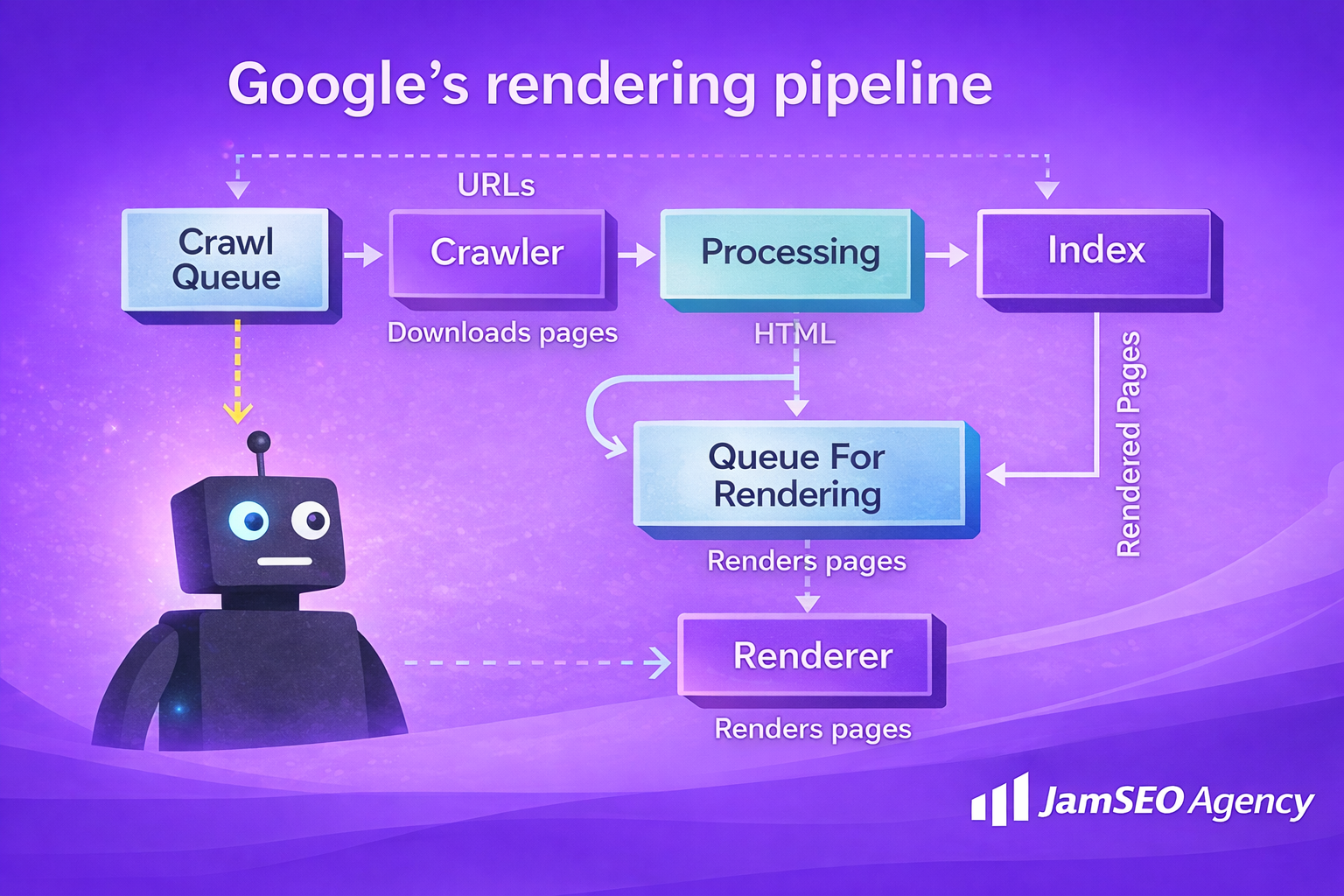
You should also test pages using URL inspection and live rendering tools to see how search engines process your site. Regularly monitor for rendering issues caused by slow-loading scripts, broken resources, or third-party software like plugins. Fixing these issues early ensures that your content appears properly and performs consistently in search.
Indexing: How Content Is Stored
After a page is crawled, the second step begins, which is indexing. Here, a search engine decides whether to use the content from a crawled web page. If it is deemed worthy, it gets added to the index, which works like a massive database of web content. I’ve seen that when pages are properly analyzed, stored, and indexed, they become indexed pages that can appear in search results when users search with relevant queries.
During the indexing process, search engines analyze, store, and organize data inside a database so it can later be retrieved at the final ranking stage. Each web page or piece of content is filed and evaluated based on quality. Strong signals like unique content and valuable content help pages get placed in the index, while weak signals such as low value, spammy content, or pages that couldn’t be crawled often get ignored. In many cases, I’ve noticed that a domain that lacks inbound links also struggles to get fully indexed.
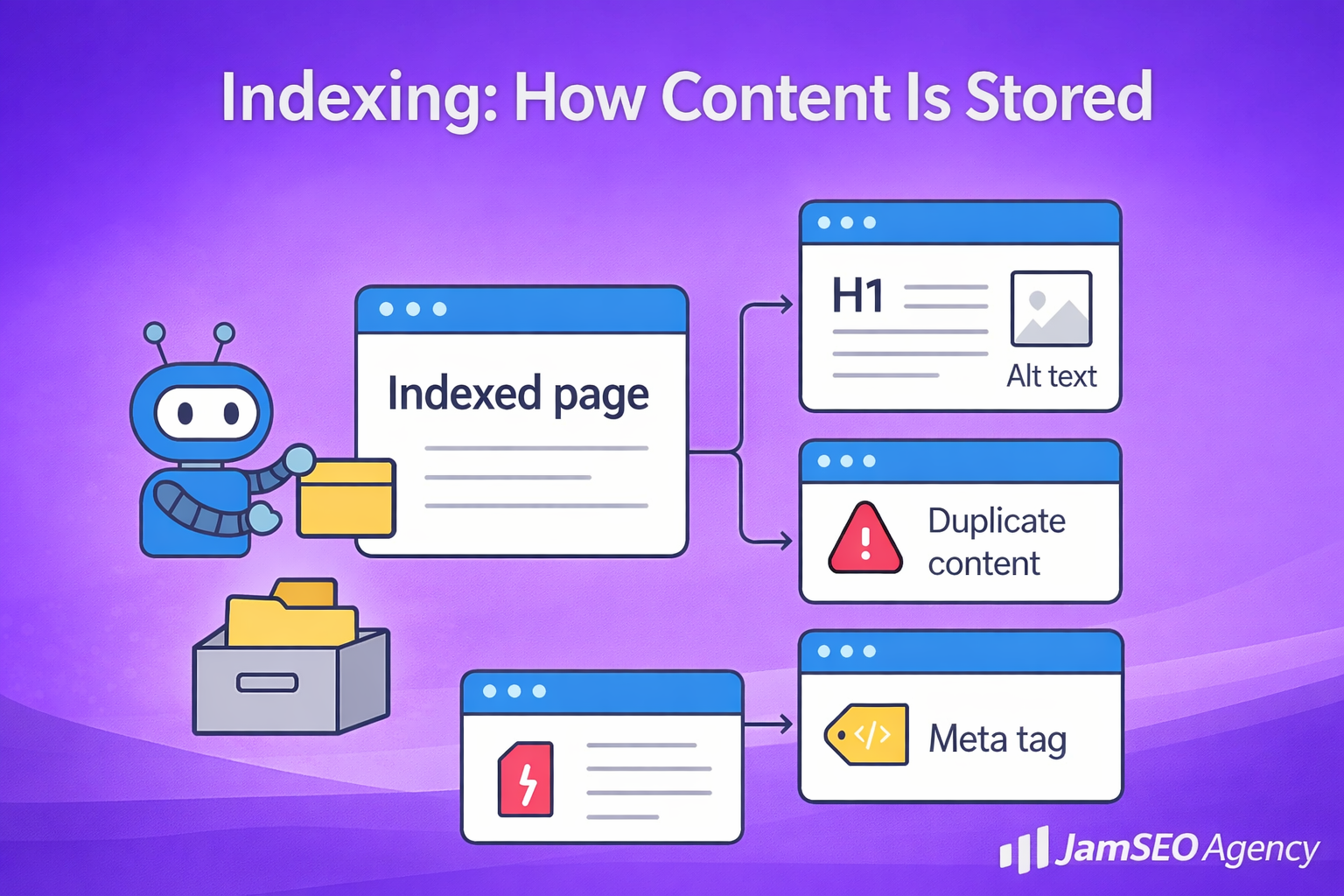
To improve indexing, you should ensure every page has clear, keyword-rich headings, proper meta tags, and image alt text for better understanding. You must also avoid duplicate content that can confuse systems.
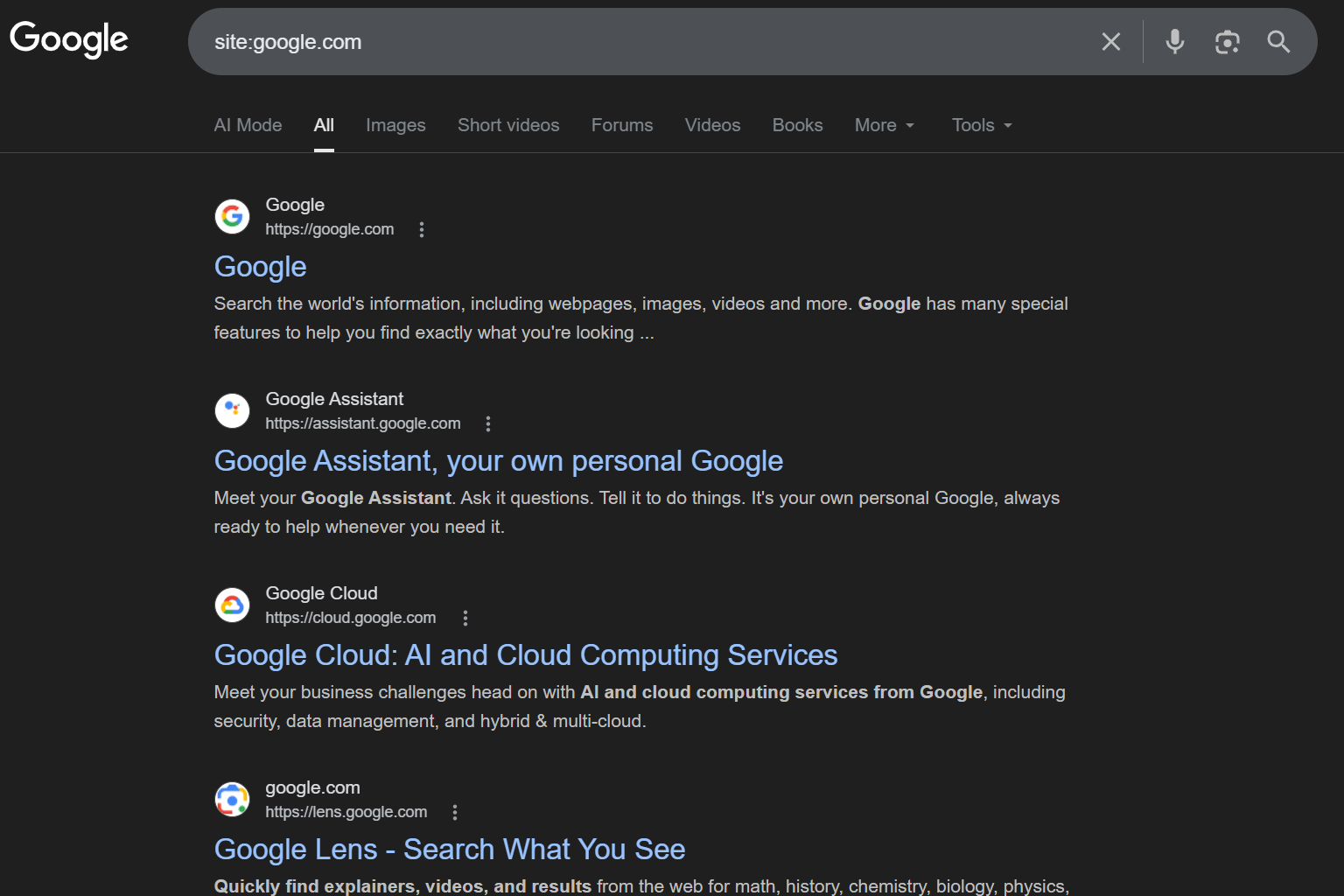
- Pro Tip: As a top tip, always check your indexed pages by typing ( site:yourdomain.com ) in the search bar on Google and review which pages are showing up. For deeper insights, use a detailed report like the Index Coverage report inside Google Search Console to fix index coverage issues.
Ranking: How Results Are Ordered
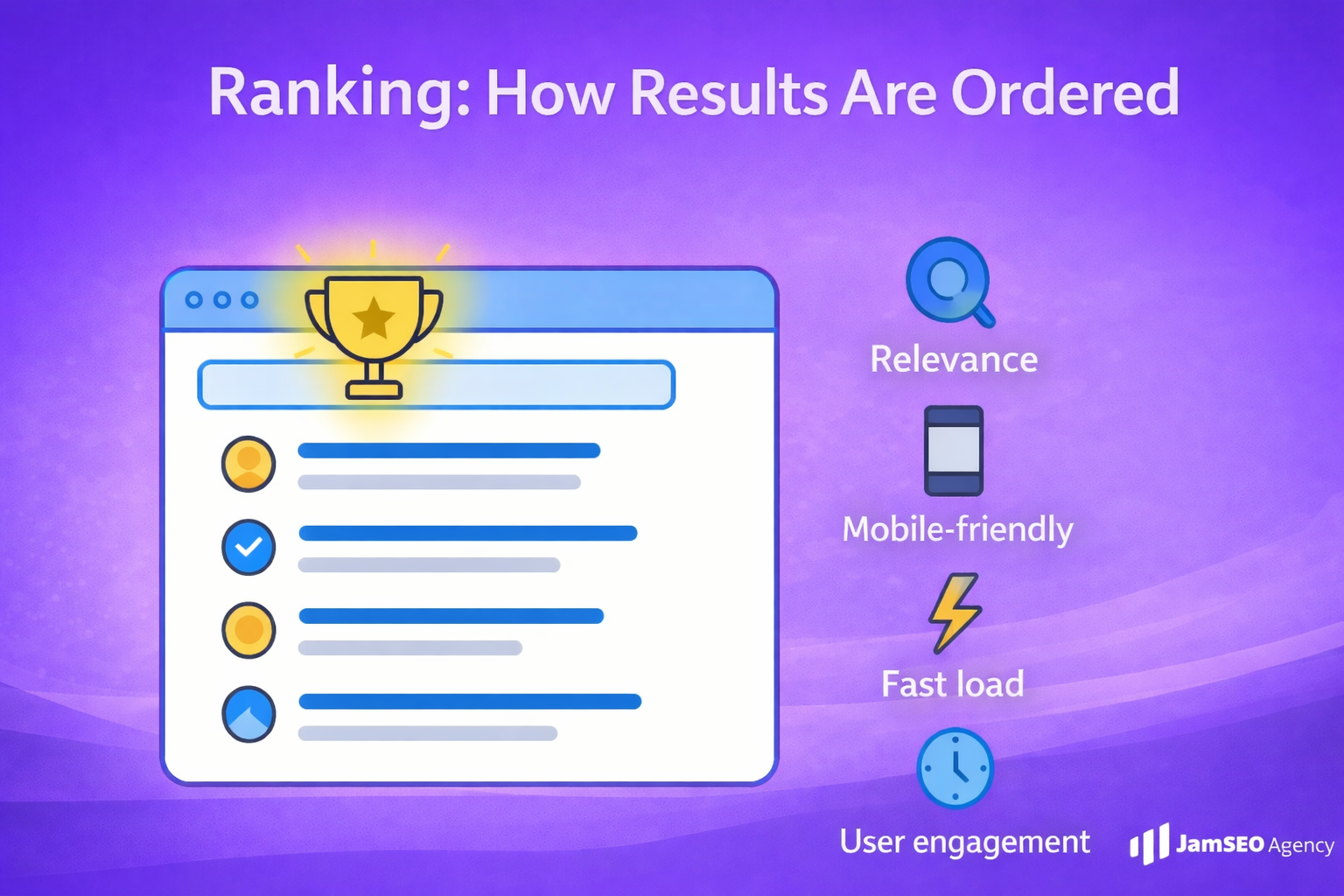
The fourth step in SEO is ranking, and it only happens after crawling and indexing steps are complete. Once a search engine has crawled and indexed your site, it starts to rank pages and determine the order of indexed pages in search results for a specific query. These systems use complex algorithms to evaluate a wide range of signals, often called SEO ranking factors, to measure relevance, quality, and usefulness for a given search query.
From my experience, strong ranking signals come from aligning your content closely with search intent and making sure you fully answer the query better than competing results. You need to write high-quality content and relevant content while targeting the right audience. When you optimize on-page elements like titles, headings, internal links, and structured data, you improve your ability to rank content. At the same time, you should build authority through high-quality backlinks, brand mentions, and other positive reputation signals.
Technical factors also play a key role. You must ensure strong technical performance, including fast load times, mobile-friendliness, and a good page experience. Elements like loading speed, whether a web page loads quickly, and overall mobile responsiveness directly impact rankings. A strong website reputation, supported by backlinks in both quantity and quality, improves trust. You should also keep content quality high, ensure it stays valuable and relevant to your target audience, and confirm that pages, content, and images are fully optimized for mobile.
To maintain and improve rankings, you need to monitor performance using SEO tools like Moz and Google Analytics. Track rankings, analyze SERP features, and watch how competitors change strategies. As search continues to evolve, you must adapt strategies, update topics based on user needs, and refine your approach to stay competitive and keep your pages appear higher in results, ultimately driving more clicks.
Google Algorithm & Ranking Systems (RankBrain, AI Systems)
A smart SEO strategy helps you optimize your website to improve user experience and satisfaction. Systems like RankBrain, a key ranking factor, help Google understand how people interact with your pages. Use long-tail keywords and medium-tail keywords, write in natural language, and focus on relevant, valuable content so it can be easily understood and ranked. For deeper strategy updates, see Google all algorithm updates (opens in new tab).
To get better results, optimize page titles and descriptions so your listing gets more clicked, improving your click-through rate. Then optimize content to increase dwell time and reduce bounce rate by improving engagement with images, adding videos, and useful tips.
Why SEO Is Important for Websites and Businesses?
SEO is essential for helping your website connect with the right audience. Beyond increasing visibility in search, it brings targeted traffic, enhances user experience, and makes your site more competitive in search results.
Organic Traffic Growth and Visibility
From practical experience, ranking higher in search results consistently increases website visibility and keeps driving more clicks from users who are actively searching for your content, products, or services. Unlike paid advertising, this type of traffic is more sustainable and continues to grow when you maintain steady optimization efforts.
At a broader level, SEO remains important because it can drive significant amounts of free, targeted traffic. Search engines are still the biggest source of traffic for most websites, and data shows that Google alone processes billions of searches daily, while Baidu also contributes heavily as China’s top search engine. This scale explains why search continues to dominate overall website traffic.
The long term value is what makes SEO even more effective. It delivers a strong ROI, especially as your site matures. New sites often see growth over time, while established sites can generate returns faster due to existing authority. When you invest consistently in SEO, you build a channel that compounds results rather than relying on short-term gains.
Better User Experience and Engagement
SEO works hand-in-hand with user experience, as search engines prioritize websites that are fast, mobile-friendly, and easy to navigate. In real scenarios, better usability leads to higher engagement, which directly improves overall page experience. This is where Core Web Vitals and their performance metrics help measure key factors.
These Core Web Vitals metrics include loading performance, interactivity, and visual stability. When page content appears quickly, measured by Largest Contentful Paint, it results in faster loading and improves user retention and satisfaction. Strong interactivity, tracked through First Input Delay, ensures users can engage with the site and respond instantly, keeping them engaged.
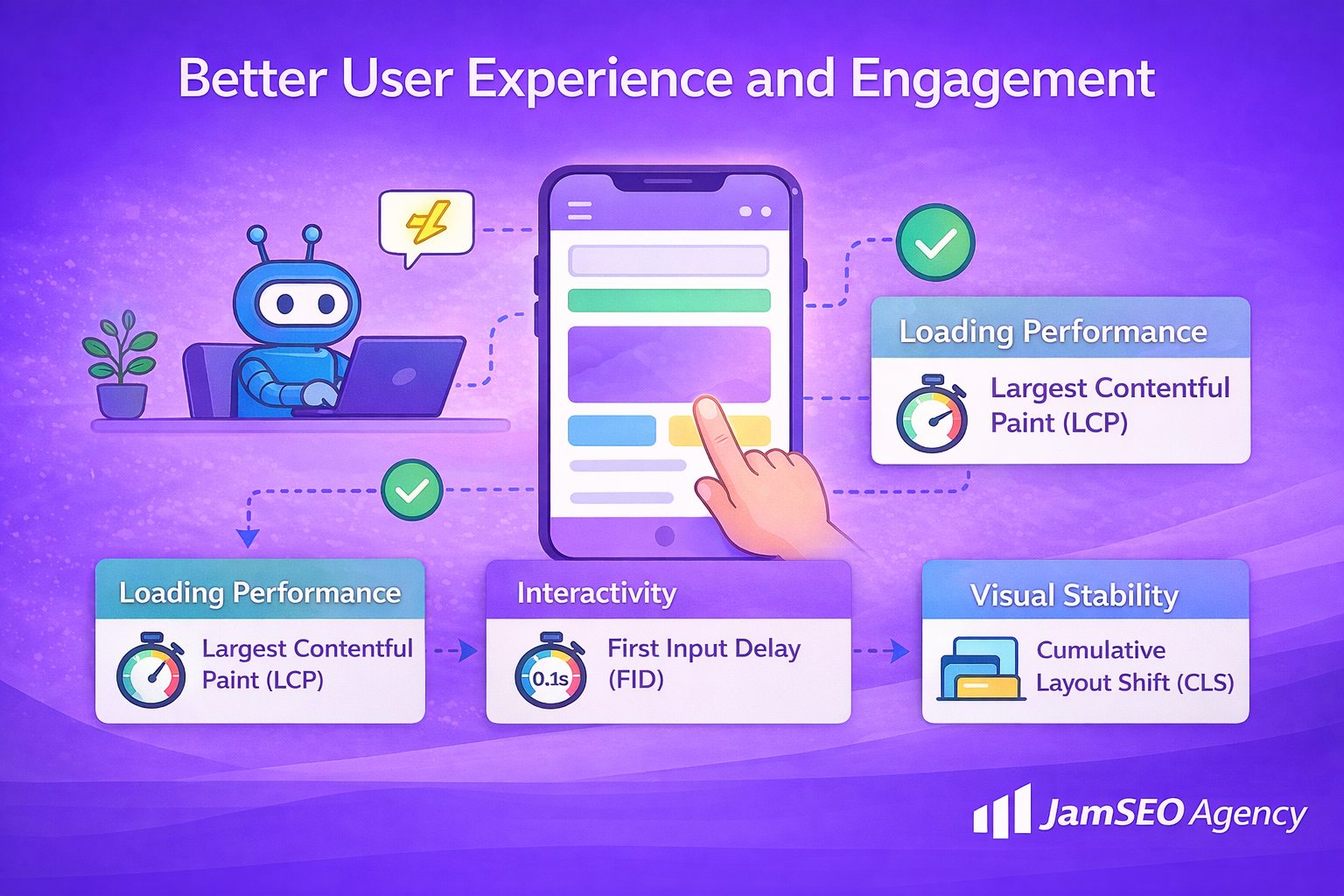
At the same time, visual stability prevents layout shifts as the page loads, measured by Cumulative Layout Shift. A stable page ensures users don’t accidentally click the wrong elements, which strengthens trust and usability.
Brand Authority and Trust (E-E-A-T)
In today’s SEO landscape, Google prioritizes content that is accurate, credible, and trustworthy. This is guided by Experience, Expertise, Authoritativeness, and Trustworthiness, also known as E-E-A-T. From my experience, websites that focus on these principles perform better because they align with what both search engines and users expect.
To improve this, you should focus on showcasing clear author credentials, citing reputable sources, and publishing well-researched, original content. These steps signal that your information is reliable and backed by real knowledge rather than guesswork.
Over time, this approach helps build trust with both search engines and users, making your website more authoritative and dependable in your niche.
Competitive Advantage in SERP
SEO helps your content appear in both traditional search results and advanced SERP features on the search engine results page. Features like featured snippets display quick answers at the top, increasing visibility and improving click-through rates. Even a simple featured snippet providing a quick answer to a user query can drive noticeable traffic.
You also benefit from People also ask (PAA), which highlights related user questions and positions your page as an authoritative resource. Alongside this, image packs and video packs showcase visual content, attracting more engagement for searches that need multimedia answers, including images for multimedia-related queries.
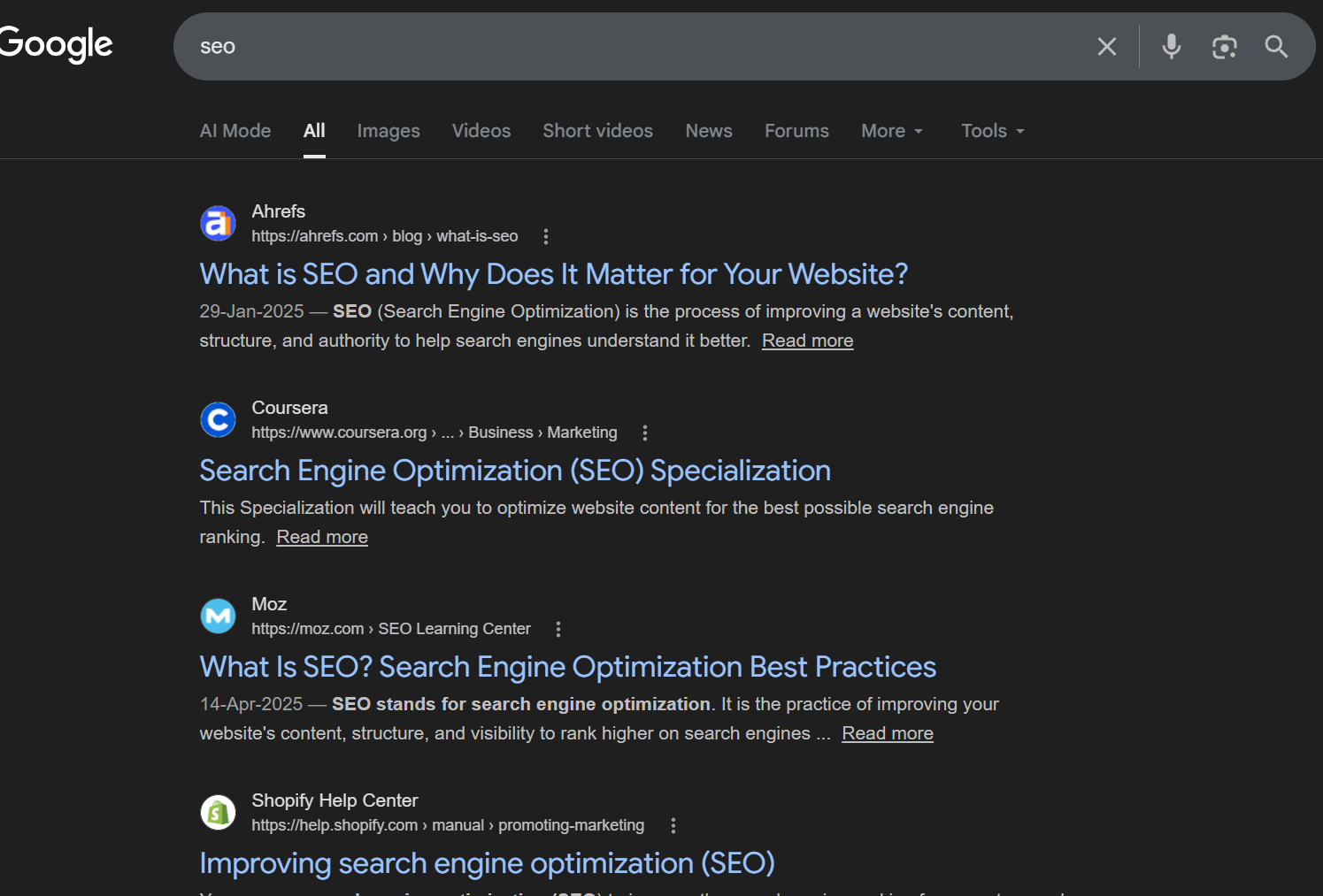
With generative search features like AI Overviews, summaries of web pages are automatically generated by AI algorithms to provide quick, detailed answers. This increased visibility can still drive organic traffic, as users are more likely to click links accompanied by an AI Overview or Google's AI Overview.
Industry research from Ziff Davis (opens in new tab) shows that LLMs like OpenAI prefer authoritative websites, so optimizing your content increases your chances of appearing in tools like ChatGPT and Claude AI.
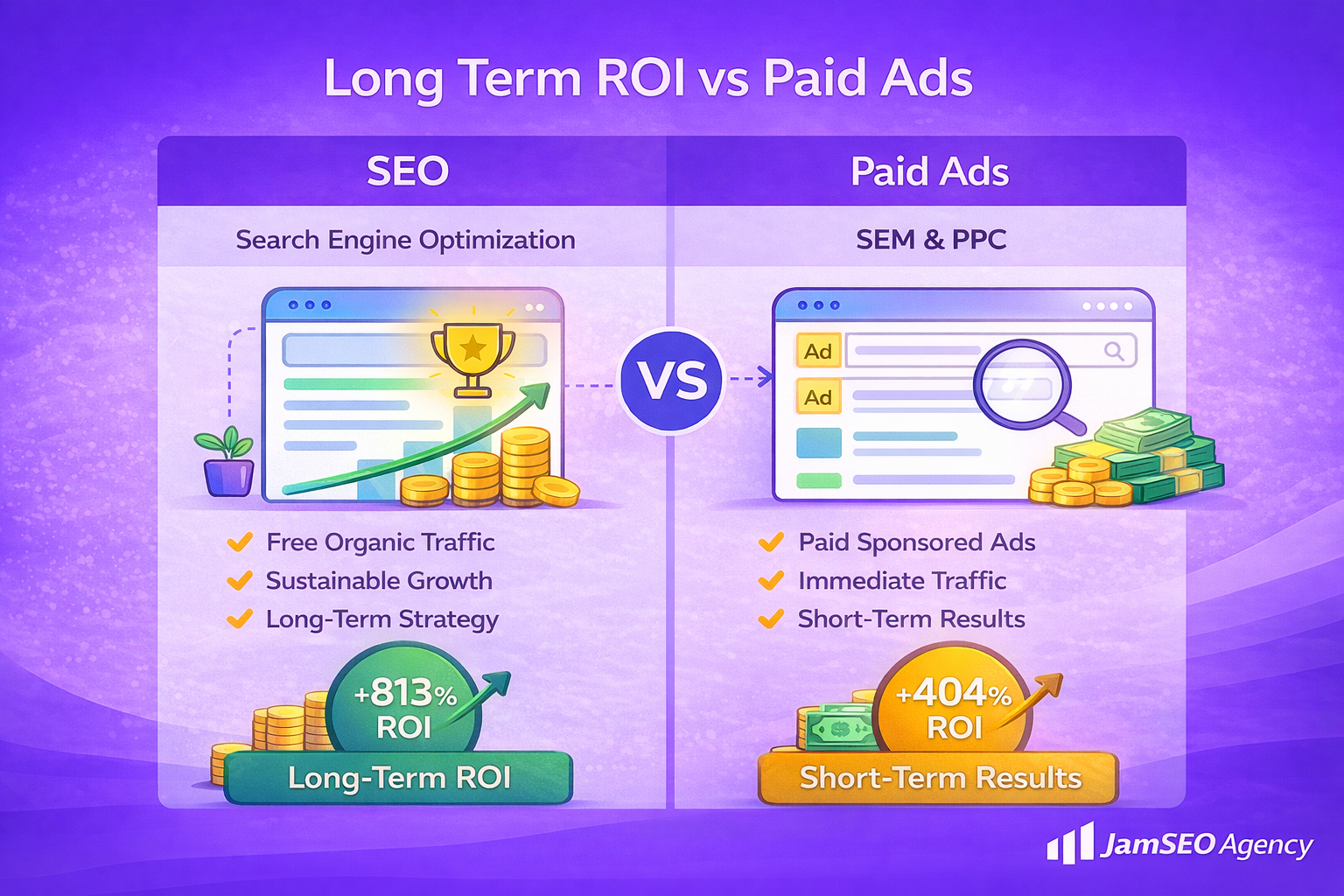
Long Term ROI vs Paid Ads
Many marketers use different acronyms or initialisms, which is why SEO often gets confused with SEM and PPC. The key differences become clear when you look at how these strategies work. SEO, or search engine optimization, is a long-term strategy focused on generating free traffic through organic and earned listings on search engine results pages.
On the other hand, PPC (pay per click advertising) involves running ads and paying for clicks to your website. Platforms like Google display PPC ads alongside organic results in SERPs with a Sponsored label, often visible in Google search results such as queries like Best SEO Agency (opens in new tab). Meanwhile, SEM (search engine marketing) acts as a catch-all term that includes both SEO and PPC.
From experience, the best strategies don’t choose one over the other but combine SEO and PPC. However, in terms of long-term value, SEO delivers a much higher ROI, often reaching 813%, while PPC still offers a respectable 404%. This makes SEO a more sustainable growth channel, while PPC supports faster, short-term results.
Types of SEO (Core Pillars Explained)
On-Page SEO (Content & Optimization)
In my experience, on-page SEO is where most results begin. It focuses on optimizing content on individual pages to improve search visibility and user experience. You need to focus on aligning your content, HTML elements, and site structure with SEO best practices so search engines can understand your pages while keeping them engaging for visitors.
The core work happens in small details. You apply keyword optimization by using relevant keywords naturally in titles, headers, and body content to match search intent. You also optimize meta tags, including title tags and meta descriptions, to improve click-through rates in search results. At the same time, strong content quality means your content stays original, valuable, and fully satisfies what users are looking for.
To go further, you should use multimedia like images, videos, and infographics to enrich the page, while adding alt text for better accessibility. Smart internal linking helps you interlink related pages so search engines can discover and rank more content. Finally, a clean URL structure with clear, descriptive URLs that reflect the page content ensures everything stays structured and easy to navigate.
Optimize Every Page for Better Rankings
Improve structure, keywords, and on page signals to boost relevance, visibility, and user engagement.
Off-Page SEO (Backlinks & Authority)
Off-page SEO focuses on actions taken outside your website to improve search engine rankings by building authority and credibility. Through backlinks, other websites act as endorsements, signaling to search engines that your content is valuable. These strongest ranking factors depend on getting links from high-authority websites and relevant websites, not low-quality links or spammy links.
Effective key off-page strategies include link building, where you earn high-quality backlinks using outreach, guest blogging, content promotion, and digital PR. You can also use social media marketing to promote content on different platforms, drive engagement, and attract links, while brand mentions still signal trust even without a direct link.
Focus on quality over quantity. A single backlink from a reputable website carries more weight than dozens of weak links. Use natural anchor text, create link-worthy content like research reports or original data studies, and monitor competitor backlinks to identify opportunities. Also, aim for evergreen backlinks from pages with consistent traffic so they don’t lose relevance over time.
Strengthen Your Website Beyond On Site Factors
Build high quality links and authority signals that improve trust, rankings, and long term visibility.
Technical SEO (Performance & Indexing)
In practical SEO work, technical SEO ensures search engines can efficiently crawl, index, and rank your site. It mainly focuses on site architecture, speed, and user experience. Even strong content and backlinks won’t help if your site has slow loading times, broken links, mobile issues, or security vulnerabilities, so fixing these technical elements directly improves search rankings.
Key areas to focus on:
- Clear structure, intuitive navigation, internal linking
- Core Web Vitals, loading speed, visual stability
- Mobile-friendly, responsive design, mobile-first indexing
- Structured data, schema markup, understand content
- robots.txt, canonical tags, XML sitemaps
- HTTPS, SSL, protect user data, build trust.
Make Your Website Search Engine Ready
Fix crawl issues, speed bottlenecks, and structure gaps to improve indexing, performance, and rankings.
Local SEO (Location-Based Rankings)
In practice, local SEO may or may not form part of your SEO strategy, but it becomes essential when you target customers in a specific location. Instead of only ranking in normal SERPs, it also aims to rank business listings in the Places map and local pack listings within search results, such as best chinese takeaway nearby. Search engines prioritize businesses with strong local relevance, so factors like proximity, address, business category, keywords, and business profile rating directly influence visibility.
To perform well, you need to fully optimize your Google Business Profile with listing website, phone number, opening hours, and including photos. Building citations like NAP (Name Address Phone) across local business directories, using location-based keywords in content, titles, and meta descriptions, and getting strong online reviews such as five-star reviews all improve your ranking factor and trust signals.
Over time, consistent efforts like maintaining accurate contact details, encouraging satisfied customers to leave positive reviews, and getting listed in industry-specific directories help boost credibility, improve local rankings, and attract higher-intent customers who are actively searching. This approach helps strengthen your digital reputation, drive long-term organic traffic, and build lasting authority that compounds over time, unlike paid advertising that stops working when you pause budget.
Get Found by Local Customers Near You
Optimize your presence for local searches, maps, and nearby queries to drive more calls, visits, and leads.
Specialized SEO (eCommerce, Video, AI Search)
eCommerce SEO
In eCommerce SEO, the focus is on optimizing product and category pages so search engines can understand your listings and rank them for high-intent queries. Strong content, clear structure information, and proper keyword research help identify trends and improve content ranking based on user engagement, context, and expertise. As SEO keeps evolving rapidly, online stores must adapt to new ranking factors and changing user expectations to stay competitive.
Video SEO
With the rise of video content, video search optimization plays a major role in visibility. Search engines are now showing videos more often in search results, where captions, metadata, and engagement signals are influencing rankings. Businesses that optimize for video can improve visibility, attract users, and match how people consume content today.
AI Search SEO
AI SEO is shaping the future of search optimization. AI-driven search is shifting how results displayed appear, often generating direct answers and topic summaries instead of just listing web pages. This means content creation must focus more on originality and human-driven insights to avoid low-value AI-generated content. At the same time, visual search is growing, where users search images instead of text, making structured data, optimized image descriptions, and high-quality visuals essential to improve visibility.
SEO vs SEM vs PPC (Key Differences Explained)
SEO vs SEM
In practical terms, SEM (search engine marketing) is a broader digital marketing approach. It works as an umbrella term that includes the combination of SEO and PPC (pay-per-click). These activities help drive traffic from both organic search and paid search, often through platforms like Google Ads. Many people think they differ, but technically, SEO is simply one-half of SEM.
To simplify, SEO focuses on driving organic results and clicks from search engines, while SEM includes both driving organic results and paid results, along with more clicks. On the other hand, PPC is only about driving paid results and clicks through ads. From my experience, businesses that understand this relationship plan better strategies instead of treating them as separate systems.
The best way to think about it is simple: imagine SEM coin, where SEO one side focuses on organic growth, and PPC flip side focuses on paid visibility. Together, they create a complete search strategy that balances long-term results with immediate traffic.
SEO vs PPC Advertising
In simple terms, PPC (pay-per-click) is a digital marketing model where advertisers are charged when their ads get clicked. They bid on specific keywords or phrases, so their ads can appear in search engine results as a paid listing. When a user searches, the advertiser ad shows up among the top results, helping them get instant visibility.
On the other hand, SEO works differently. Instead of paying for each click, it focuses on improving your search result listing through optimizing pages and websites. While it is not directly paid, it still requires investment of time and money, so organic search is not truly “free.” From my experience, businesses often misunderstand this and expect results without consistent effort.
If you compare both, SEO vs PPC is not about choosing one channel over the other. Both offer value in different ways. PPC delivers quick return on investment (ROI) through paid traffic, while SEO builds long-term growth. These are complementary digital marketing channels, and you should utilize both whenever your budget allows to balance short-term wins with sustainable results.
Organic vs Paid Search Results
Position in Search Results
The main differences between organic search (natural search) and paid search start with position. Paid search results appear at the top of search engine results pages, while organic results show beneath them. For example, when searching for the best water bottle, you’ll notice paid ads, sponsored posts, and images first, followed by organic results. With updates like Google AI Overviews, AI and display advertising continue to influence how results are shown, impacting SEO activities.
Time and Cost
Another key area is time and payment. Paid search delivers results quickly, but it runs on a pay-per-click (PPC) model using cost-per-click (CPC), where a user clicks an ad and you pay. In contrast, organic search results take weeks, months, or even years, requiring investment in resources and time. While it brings free traffic, it still demands consistent effort as a medium-term to long-term game.
ROI and Traffic Share
Looking at ROI (return on investment), paid search ROI is easier to measure using tools like Google Analytics 4 and keyword data, but it can stagnate or decline. Organic search ROI is harder to measure, yet it often improves over time and delivers a good return in the long term. According to BrightEdge, organic search 53% drives most traffic, compared to paid search 15%, meaning the lion’s share of clicks comes from organic listings.
Key Similarities
Despite these differences, there are clear similarities. Both rely on keyword research, where a user enters a keyword into a search engine. Both require optimized landing pages, whether it’s an SEO landing page connected to your website or a paid landing page as a stand-alone page. Most importantly, both focus on generating traffic and aligning with user intent, where users are searching information, asking a question, and ready to take action.
Step-by-Step SEO Process (Beginner to Advanced Workflow)
Step 1: Keyword Research & Search Intent Mapping
Start with finding the right keywords, because it is critical for ranking in search results. If you are targeting the wrong keywords, it leads to low traffic, low conversions, and attracting the wrong audience. First, define your niche and audience, then determine what they search for.
Next, keyword research helps you identify real audience searches, ensuring your content matches their needs and improves search visibility. Conduct keyword research by using keyword research tools like Moz for insights, and focus on search intent such as informational, commercial, navigational, or transactional, making sure each keyword aligns with your content.
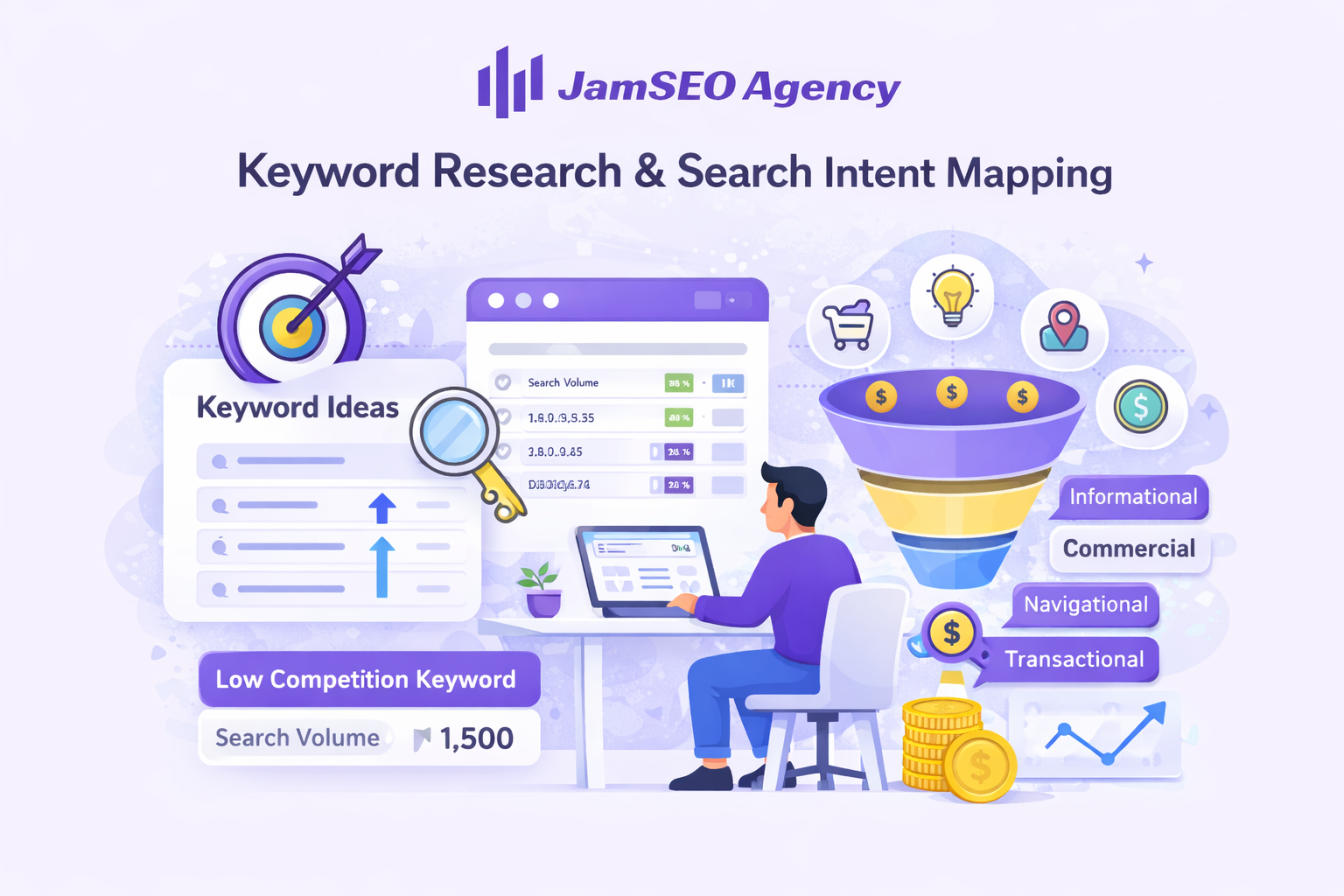
For better results, target long-tail keywords with lower competition and higher relevance, and use low-competition, high-search-volume keywords to gain easier rankings and higher conversions. A simple pro tip is to start with keywords that have high buying intent, then build authority before tackling competitive keywords.
Step 2: Content Creation & Optimization
Content creation in SEO focuses on delivering high-quality content that matches user intent and answers real user queries. Your goal is to create valuable content that solves user pain points while keeping it clear, structured, and easy to read. Use proper headings, scannable paragraphs, and multimedia like images or videos to improve user experience and engagement.
Once the content is ready, apply on-page SEO to improve search visibility and organic rankings. Naturally add target keywords, LSI keywords, and supporting terms for better content understanding. Optimize title tags, meta descriptions, and URLs, and connect relevant pages using internal linking. Also, improve visuals with image optimization and use schema markup to enhance search appearance with rich snippets.
- Pro tip: Focus each page on one main keyword and support it with semantically related terms to build stronger topical authority and improve rankings.
Step 3: On-Page SEO Implementation
On-page SEO focuses on improving how search engines and users understand your website. Start with keyword research to match search intent, then organize your website structure and internal navigation for better crawlability and indexing. Keep your content clear, relevant, and aligned with user expectations to improve organic visibility and search performance.
Optimize key elements like keyword-rich title tags within 60 characters, clear meta descriptions, and short descriptive URLs. Add descriptive alt text to images, improve website speed, and fix technical issues that affect usability. Strong internal linking and proper page optimization help build authority, trust, and better rankings.
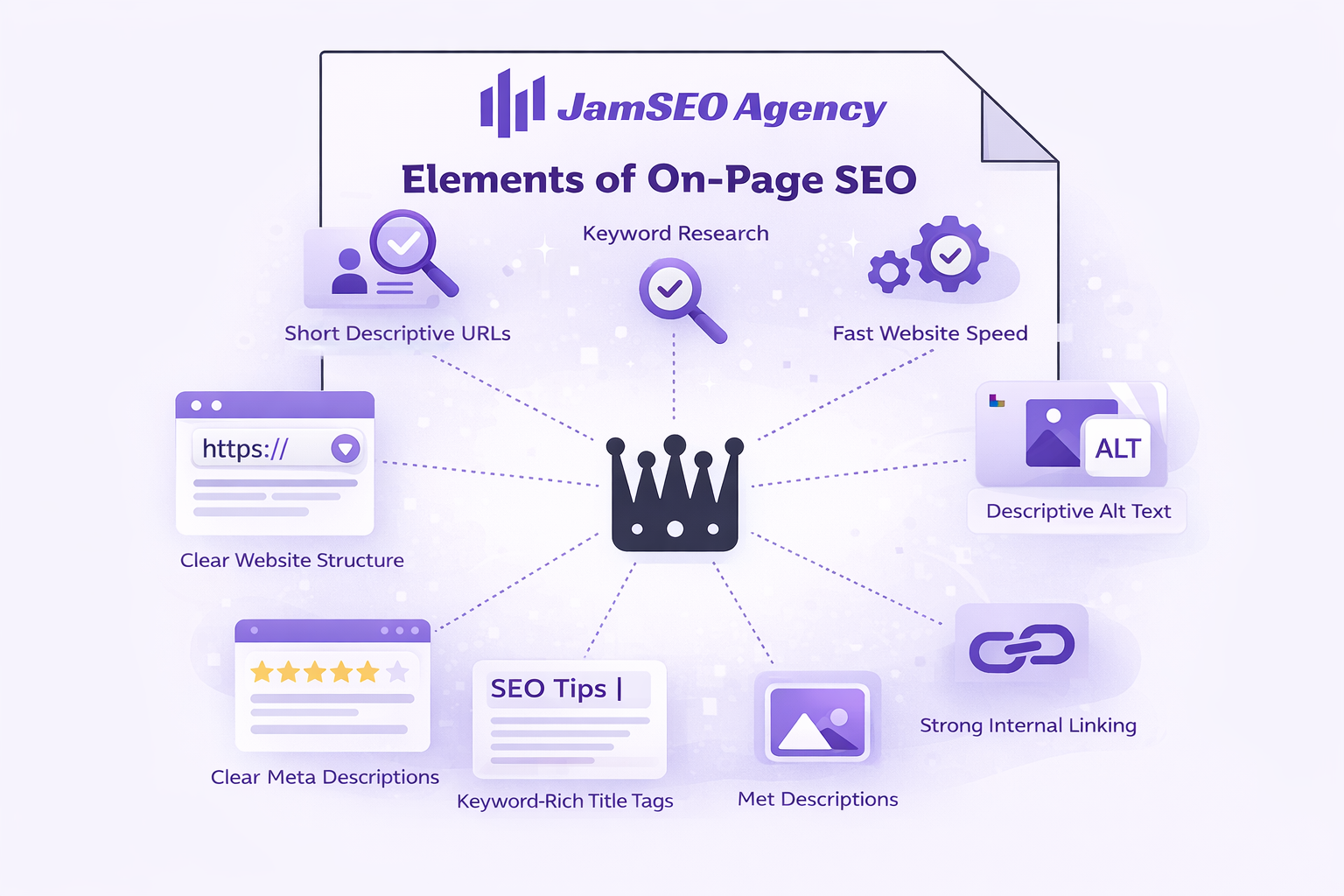
- Pro tip: Focus each page on one main keyword and support it with related terms to strengthen relevance signals and improve SERP performance.
Step 4: Technical SEO Optimization
Technical SEO focuses on making your site easy for search engines to access, understand, and rank. If your site has indexing issues, slow speeds, or technical errors, it can hurt search visibility and organic rankings. Start by improving site speed using fast hosting, caching, and proper image optimization. Also, ensure mobile-friendliness with a responsive design and fast load times to support a smooth user experience.
Next, improve crawlability and indexing by submitting an XML sitemap in Google Search Console and fixing broken links or outdated URLs with proper redirects. Use canonical tags to avoid duplicate content issues and secure your site with HTTPS and an SSL certificate for safe, encrypted connections. Strong internal linking helps search engines find high-value pages faster, especially when linked from frequently crawled pages like the homepage or blog index.
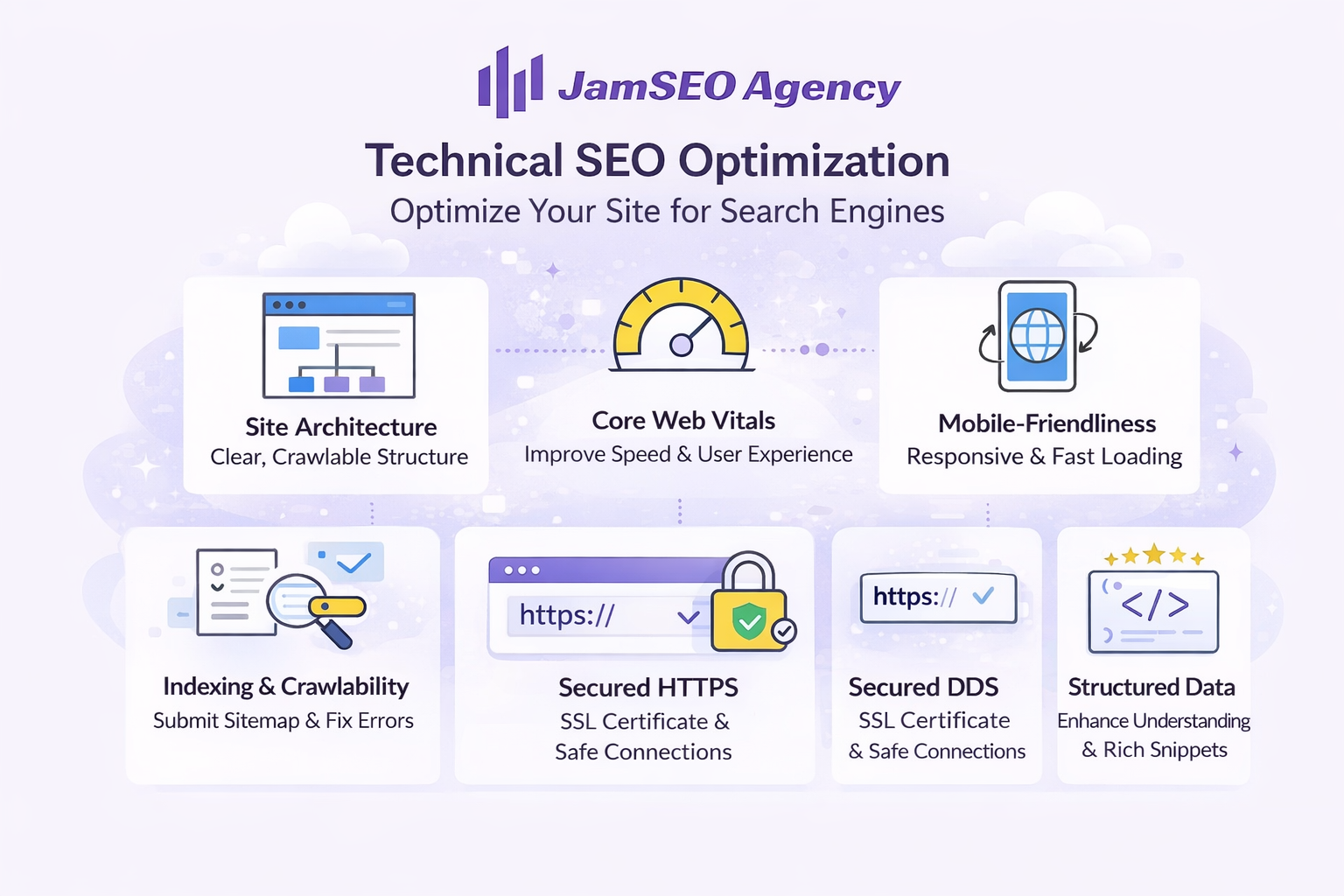
- Pro tip: Focus on fixing technical issues first, then prioritize indexing and internal linking for your most important pages to improve overall site performance and rankings.
Link Building & Authority Development
Link building helps search engines see your site as trustworthy and authoritative. When you get backlinks from trusted websites, it sends strong authority signals that improve rankings and overall search performance. Focus on creating high-quality, shareable content that naturally attracts links and drives referral traffic. This builds website authority over time and supports long-term SEO growth.
To grow links actively, use outreach and digital PR strategies. Connect with relevant industry sites, contribute guest posts to authoritative blogs, and look for link opportunities that match your niche relevance. You can also find broken links on other sites and suggest your content as a replacement. Consistent content promotion, brand mentions, and media outreach strengthen off-page SEO and improve domain authority.
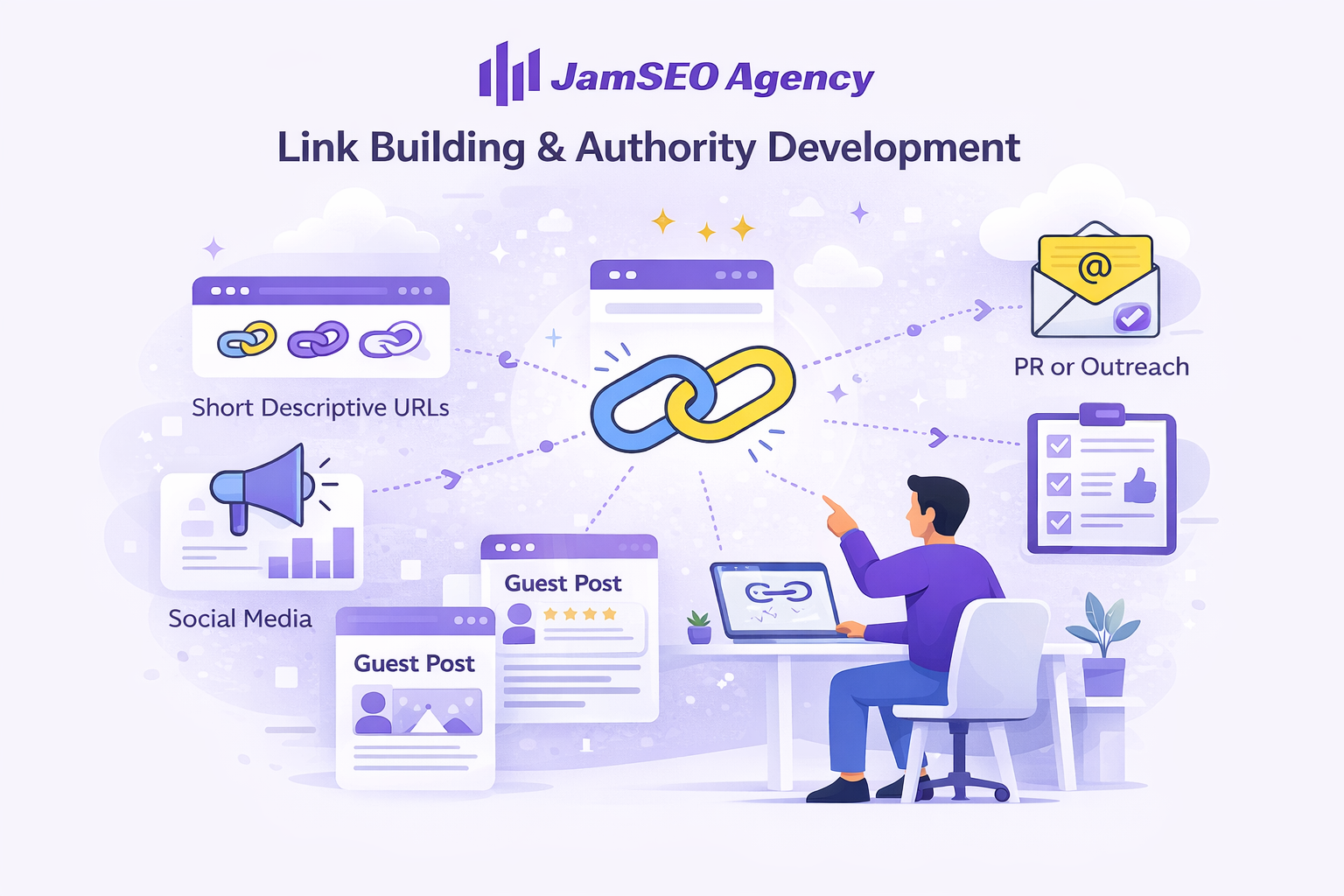
- Pro tip: Prioritize quality over quantity. A few backlinks from authoritative, relevant sites can impact rankings more than many low-quality links.
Step 6: Monitoring, Reporting & Improvement
Monitoring
Track website performance continuously to detect traffic drops, slow pages, broken links, and indexing issues early. Use tools like Google Analytics and Google Search Console to monitor search visibility, user behavior, and technical SEO health.
Reporting
Create clear SEO reports using performance data such as keyword rankings, conversions, and engagement metrics. Compare results over time to understand trends and measure progress using monthly or quarterly reporting.
Improvement
Use insights from data analysis to optimize content and fix technical issues. Refresh underperforming pages, update visuals, test meta titles and descriptions, and make ongoing adjustments to improve rankings and user experience.
- Pro tip: Set up alerts for critical issues like traffic drops or crawl errors so your team can act quickly before rankings are affected.
Key SEO Ranking Factors (What Really Impacts Rankings)
Content Quality & Relevance
Search engines rank content that matches user intent and solves real problems. You should create high-quality content that answers user queries in a clear and simple way. Use relevant keywords naturally and keep your content updated to maintain accuracy. A clean structure with headings and internal links improves readability and helps search engines understand your content better.
Backlinks and Authority Signals
Backlinks tell search engines that your website is trustworthy. When trusted and relevant websites link to you, your authority and rankings improve. Focus on earning high-quality backlinks through useful content, guest posts, and outreach. Strong authority signals also bring referral traffic and help your site grow in competitive search results.
Technical Performance (Core Web Vitals)
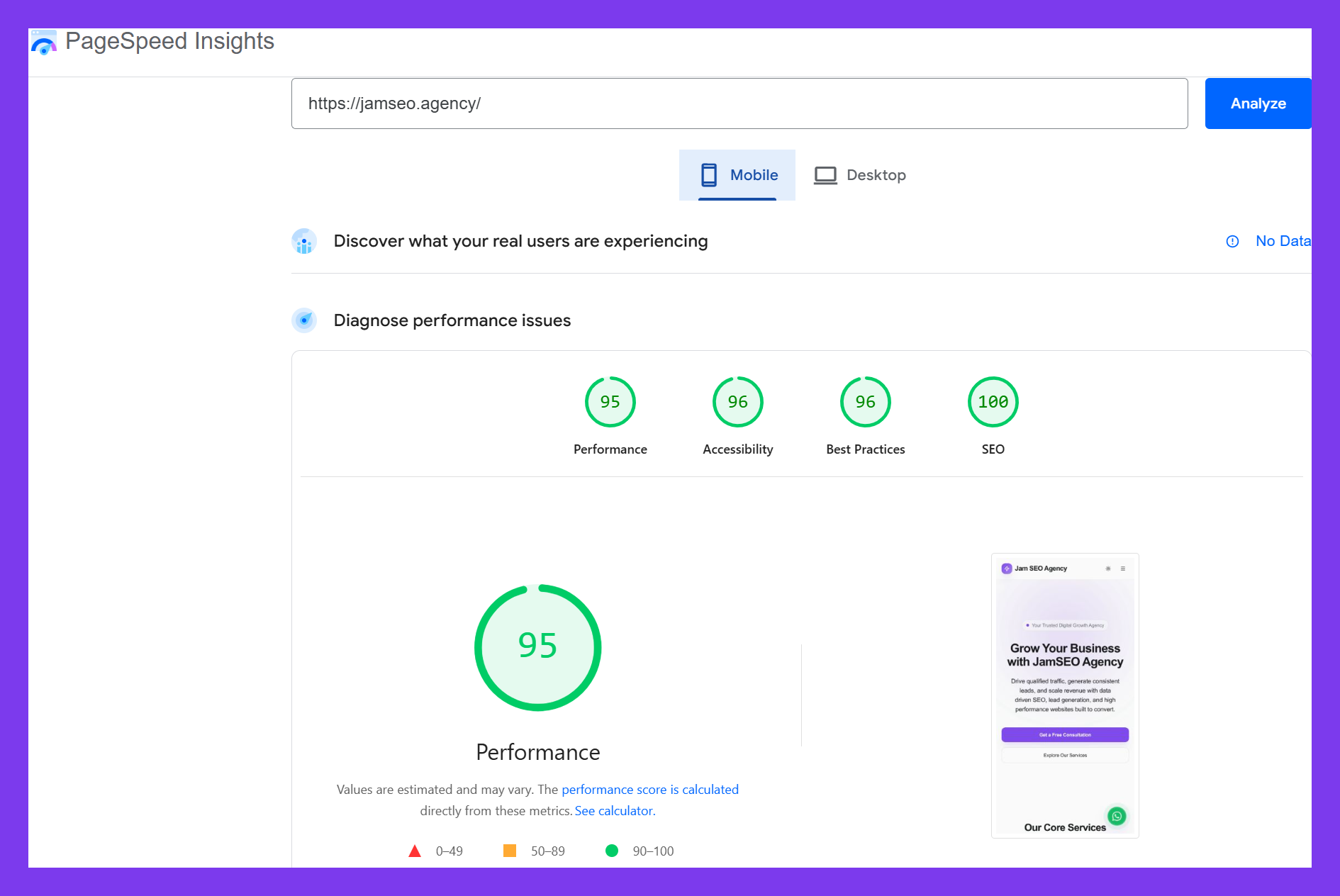
Technical SEO ensures your website works fast and smoothly. Core Web Vitals measure loading speed, visual stability, and interaction. You should improve site speed, fix errors, and make sure pages are properly indexed. Fast loading pages and clean performance help search engines crawl your site and improve rankings.
User Experience & Engagement Signals
Search engines look at how users interact with your website. Metrics like bounce rate, time on page, and engagement show if your content meets user needs. You should keep your design simple, navigation clear, and content useful. A good user experience keeps visitors longer and improves your rankings over time.
Mobile Friendliness & Page Speed
Search engines use mobile-first indexing, so your site must work well on mobile devices. Use a responsive design and ensure fast load times for better performance. Optimize images and reduce heavy elements to improve speed. A fast and mobile-friendly website improves user experience and helps your rankings.
Essential SEO Techniques & Best Practices
Create Helpful, People-First Content
Search engines prioritize content that puts users first. You should create helpful, high-quality content that answers real user queries and matches search intent. Focus on solving problems, not just adding keywords. Use clear language, logical structure, and strong content relevance to improve readability and engagement. When your content shows expertise, authority, and trust, it builds topical authority and improves organic rankings.
You should also update content regularly to keep it accurate and competitive. Add examples, visuals, and internal links to improve user experience and content depth. Use semantic keywords, LSI terms, and related entities naturally to help search engines understand your topic better. People-first content not only improves rankings but also builds long-term trust with your audience.
Optimize Titles, Meta Descriptions & URLs
Titles, meta descriptions, and URLs are key on-page SEO elements that affect click-through rates and search visibility. Write clear, keyword-rich title tags that stay within the ideal length and match user intent. Meta descriptions should be concise, compelling, and explain what users will get when they click your page. This improves SERP performance and attracts more organic traffic.
Keep URLs short, descriptive, and easy to read. Include target keywords naturally without overstuffing. Clean URL structures improve crawlability and help both users and search engines understand page content. When these elements align with your content, they strengthen relevance signals and improve overall SEO performance.
Improve Internal Linking Structure
Internal linking helps search engines discover and understand your website structure. You should connect relevant pages using clear anchor text to guide users and improve navigation. This supports crawlability, distributes link equity, and highlights key pages for better indexing. A strong internal linking structure improves site architecture and keeps users engaged longer.
It also helps build topical authority by connecting related content. When users move easily between pages, it improves user experience and reduces bounce rate. Strategic internal links strengthen your SEO strategy and help search engines prioritize important content across your website.
Use Structured Data (Schema Markup)
Structured data helps search engines understand your content more clearly. By using schema markup, you provide extra context about your pages, such as products, reviews, or articles. This improves search appearance and can generate rich snippets, which increase visibility and click-through rates.
You should implement schema markup correctly to avoid errors and ensure proper indexing. Structured data also supports better content understanding and enhances how your pages appear in search results. When used effectively, it gives your website a competitive edge in SERPs.
.png)
Optimize Images & Videos for SEO
Images and videos improve content engagement and user experience, but they must be optimized for SEO. Use descriptive file names, alt text, and compressed file sizes to improve page speed and accessibility. Optimized media helps search engines understand visual content and improves overall site performance.
You should also use relevant visuals that support your content and add value for users. Videos can increase time on page, while optimized images improve loading speed and search visibility. Proper media optimization strengthens both technical SEO and user engagement signals, leading to better rankings.
SEO Tools and Platforms to Use
Keyword Research Tools
Google Keyword Planner
This tool helps you find relevant keywords based on real search data. You can discover search volume, competition, and keyword ideas to target the right audience and match search intent.
Ahrefs
Ahrefs provides deep keyword data, including difficulty, traffic potential, and competitor analysis. It helps you uncover ranking opportunities and build a strong keyword strategy.
SEMrush
SEMrush offers keyword research, competitor insights, and content ideas in one platform. It is useful for identifying gaps and improving your SEO content strategy.
Technical SEO Tools
Google Search Console
This tool shows how your site performs in search results. You can track indexing, fix crawl errors, and monitor technical SEO issues that affect visibility.
Screaming Frog SEO Spider
Screaming Frog crawls your website to find technical issues like broken links, duplicate content, and missing tags. It helps improve crawlability and site structure.
GTmetrix
GTmetrix analyzes site speed and performance. It provides insights on load times, page size, and optimization suggestions to improve Core Web Vitals
Analytics & Performance Tracking Tools
Google Analytics
Google Analytics tracks user behavior, traffic sources, and conversions. It helps you understand how users interact with your site and measure SEO performance.
Google Search Console
It also provides data on keyword rankings, impressions, and click-through rates. This helps you monitor performance trends and improve search visibility.
Bing Webmaster Tools
This tool offers insights into how your site performs on Bing. It helps with indexing, keyword tracking, and technical SEO monitoring.
AI-Powered SEO Tools
Surfer SEO
Surfer SEO analyzes top-ranking pages and gives data-driven recommendations. It helps optimize content using NLP terms, keywords, and structure.
Jasper AI
Jasper AI helps generate SEO-friendly content ideas and drafts. It supports faster content creation while maintaining relevance and readability.
Clearscope
Clearscope uses AI to suggest relevant keywords and improve content quality. It helps ensure your content aligns with search intent and ranks better.
How to Measure SEO Success (KPIs & Metrics)
Organic Traffic
Organic traffic shows how many users visit your website from search engines without paid ads. It directly reflects your search visibility and content performance. When your SEO strategy works well, you see steady growth in traffic from relevant search queries.
You can track organic traffic using Google Analytics (opens in new tab). Focus on consistent growth over time instead of short spikes. This helps you understand whether your content, keywords, and optimization efforts match user intent.
Keyword Rankings
Keyword rankings show where your pages appear in search results for target keywords. Higher positions increase visibility and bring more organic traffic. You should track rankings regularly to see which pages perform well and which need improvement.
Use Google Search Console or other SEO tools to monitor keyword performance. Look at trends over time to measure progress and maintain ranking stability.
Click-Through Rate (CTR)
Click-through rate (CTR) measures how often users click your link after seeing it in search results. A higher CTR means your title tags and meta descriptions attract attention and match user intent.
You can improve CTR by writing clear, keyword-focused titles and engaging meta descriptions. Track CTR in Google Search Console to find pages that need better optimization.
Conversion Rate & ROI
Conversion rate shows how many visitors take action on your site, such as making a purchase or filling out a form. ROI measures the value you get from your SEO efforts compared to your investment.
Track conversions using Google Analytics and identify which pages and keywords drive results. Improve content, targeting, and user experience to increase conversions and maximize SEO ROI.
Common SEO Mistakes to Avoid
Keyword Stuffing & Over-Optimization
Keyword stuffing harms your rankings instead of improving them. When you force too many keywords into content, it reduces readability and weakens user experience. Search engines now focus on natural language and semantic relevance, so over-optimization sends negative signals.
You should use keywords naturally and focus on user intent. Write clear, helpful content that answers real questions. Balanced keyword integration with LSI terms improves content quality and keeps your SEO strategy effective.
Ignoring Technical SEO Issues
Technical SEO issues can block your site from ranking, even if your content is strong. Problems like slow page speed, crawl errors, and indexing issues reduce search visibility and hurt performance.
You should regularly audit your website to fix technical errors. Improve site speed, ensure proper indexing, and maintain clean site structure. Strong technical SEO helps search engines crawl and understand your site easily.
Low-Quality Backlinks
Low-quality backlinks from spammy or irrelevant websites can damage your authority and rankings. Search engines treat poor backlinks as weak or harmful trust signals.
You should focus on earning backlinks from trusted and relevant sources. High-quality links improve domain authority, increase referral traffic, and strengthen your overall SEO profile.
Duplicate Content Problems
Duplicate content confuses search engines and reduces your chances of ranking. When multiple pages have similar or identical content, search engines struggle to decide which one to rank.
You should create original and unique content for each page. Use canonical tags when needed to signal the preferred version. Clear and unique content improves indexing and search performance.
Not Updating Content Regularly
Outdated content loses relevance and rankings over time. Search engines prefer fresh, updated content that reflects current information and user needs.
You should update your content regularly by adding new data, improving readability, and refreshing visuals. Consistent updates keep your content competitive and help maintain strong rankings.
Future of SEO (AI, AIO, and Search Evolution)
AI Search and Generative Engines (AIO, GEO)
AI is changing how search engines deliver results. Generative engines now provide direct answers instead of just listing links. This shift toward AI Overviews (AIO) and generative engine optimization (GEO) means your content must be clear, accurate, and structured for easy extraction. Search engines rely on entities, context, and semantic relevance to generate answers.
.png)
You should focus on building topical authority and creating well-structured content with clear headings and factual depth. Content that demonstrates expertise, authority, and trust has a higher chance of appearing in AI-driven results. Optimizing for entities, natural language queries, and concise answers helps you stay visible in this evolving search landscape.
Voice and Visual Search Optimization
Voice and visual search are growing as users rely more on mobile devices and smart assistants. Voice search focuses on conversational queries, while visual search uses images to find information. Both require a different optimization approach compared to traditional text-based SEO.
You should use natural language, question-based keywords, and clear answers to optimize for voice search. For visual search, optimize images with descriptive alt text, file names, and high-quality visuals. Fast loading pages and mobile-friendly design also improve performance in both voice and visual search results.
Search Intent and Personalization Trends
Search engines now focus heavily on understanding user intent and delivering personalized results. They analyze user behavior, location, and preferences to show the most relevant content. This makes intent-based SEO more important than ever.
You should create content that matches different types of intent, such as informational, navigational, and transactional. Use data insights and user behavior metrics to refine your strategy. When your content aligns closely with user needs and context, it improves engagement, search visibility, and long-term rankings.
How to Learn SEO (Beginner to Expert Path)
Free Learning Resources
You can start learning SEO using free and trusted platforms like Google Search Central (opens in new tab), Moz (opens in new tab), and Ahrefs (opens in new tab). These resources explain how search engines work, how to do keyword research, and how to optimize content step by step.
- Learn SEO basics like search intent, keywords, and content optimization
- Follow guides, blogs, and real case studies
- Stay updated with new SEO trends and algorithm changes
Practical SEO Skill Development
SEO improves with practice, so you should apply what you learn on real projects. Working on your own website helps you understand content creation, on-page SEO, and technical improvements in a practical way.
- Create and optimize your own website or blog
- Use SEO tools to track performance and analyze data
- Test strategies like internal linking, content updates, and keyword usage
SEO Career Opportunities & Skills
SEO offers strong career opportunities in digital marketing. You can work as an SEO specialist, content strategist, or technical SEO expert, depending on your skills and experience.
- Develop skills in keyword research, analytics, and content strategy
- Learn technical SEO and user behavior analysis
- Choose between freelancing, agency work, or building your own business
Conclusion: Why SEO Matters More Than Ever
SEO marketing is essential for building online visibility and reaching the right audience. When you understand the basics of SEO and apply core principles, you improve rankings, traffic, and overall digital presence. A strong SEO strategy helps you stay competitive as search engines continue to evolve.
SEO is a continuous learning process. You need regular practice, revision, and updates to improve your skills and stay relevant. As you grow in your SEO journey, focus on concept clarity, apply what you learn, and keep refining your approach to achieve consistent results.
Frequently Ask Questions About SEO
Ready to Grow with SEO?
Want higher rankings and real results?Hire JamSEO Agency for expert SEO strategies, quality content, and long-term growth that turns traffic into leads.
Muhammad Yousaf
Jam SEO Agency
Leads JamSEO Agency vision, growth, and client success through data driven SEO and digital strategy.